The Healing Timeline: What to Expect from Neurofunctional Acupuncture
Patients seeking relief for stubborn nerve pain or chronic tendonitis often arrive at The MVMT Clinic St.Thomas hoping for an immediate cure. While clinical needling techniques are highly effective for neuromusculoskeletal conditions, the biological process of tissue repair operates on a strict physiological schedule. Setting realistic expectations early prevents frustration and helps you commit to the necessary rehabilitation process. A clear understanding of the neurofunctional acupuncture timeline St. Thomas patients experience is the foundation of a successful recovery strategy.
Unlike medications that simply block pain signals temporarily, this intervention aims to reset the nervous system and stimulate actual tissue healing. This biological reset requires consistent input over a specific period to create lasting structural changes. Knowing exactly what happens beneath the surface during and after your appointments allows you to measure your progress accurately. By understanding the true healing trajectory, you can make informed decisions about your ongoing care and long term joint health.
In This Article:
- The Physiological Stages of Nerve Repair
- Overestimating Immediate Relief for Chronic Conditions
- Maximizing Your Treatment Outcomes
- Understanding the Neurofunctional Acupuncture Timeline St. Thomas Patients Experience
- Frequently Asked Questions
The Physiological Stages of Nerve Repair
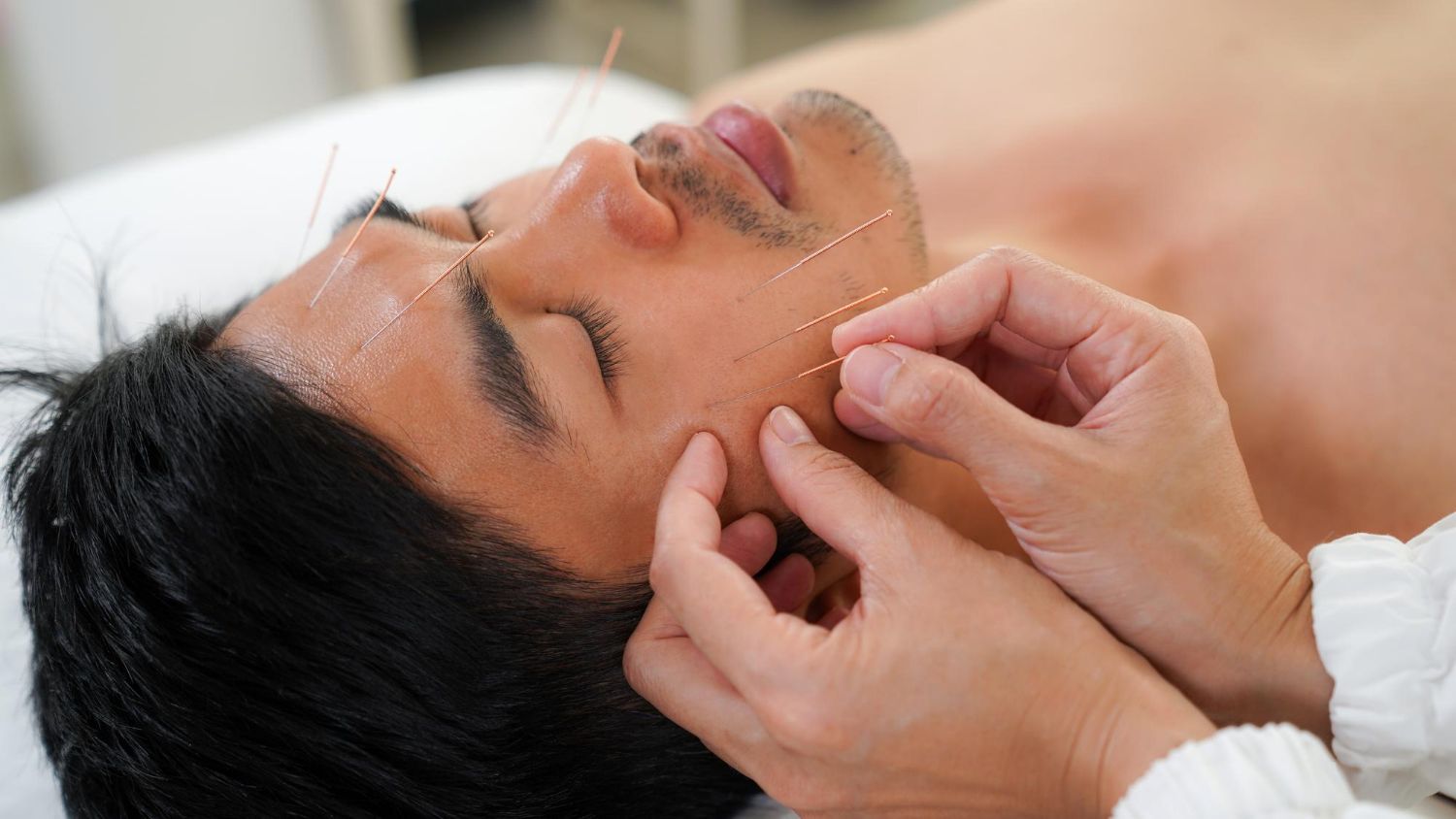
When a practitioner inserts a needle near a compromised nerve pathway, it sends a highly specific electrical signal to the spinal cord and brain. This microtrauma prompts the central nervous system to increase blood flow to the targeted area and release natural pain relieving neurochemicals. The initial few sessions are primarily focused on downregulating an overactive nervous system rather than repairing structural physical damage. As the nervous system calms, the surrounding muscles stop spasming, which finally allows the localized inflammation to clear.
From a professional standpoint:
→ The goal of the first treatment phase is to alter the neurological signal, while subsequent phases focus on rebuilding actual tissue capacity.
Once the chemical environment normalizes, the body begins laying down new collagen fibers to repair damaged tendons or strained muscles. This proliferative phase takes several weeks, during which the new tissue is fragile and vulnerable to reinjury. This biological reality is precisely why combining acupuncture with gradual rehabilitation exercises is essential for building long term load tolerance.
Overestimating Immediate Relief for Chronic Conditions
The most common misconception patients bring to the clinic is the belief that one session will erase months or years of accumulated physical stress. If you have been altering your gait to avoid knee pain while walking the trails around Lake Margaret, your nervous system has learned a deeply ingrained dysfunctional movement pattern. Neurofunctional acupuncture is a powerful clinical tool, but it cannot undo six months of compensatory biomechanics in forty five minutes. Expecting a single appointment to permanently fix chronic tendonitis often leads to premature abandonment of the necessary treatment plan.
A quick tip to remember:
→ Your pain may fluctuate temporarily after the first few sessions as your nervous system adjusts to the new sensory input.
Real clinical progress is measured in broader trends rather than daily snapshots of your pain levels. You might notice that your discomfort still exists, but the overall intensity is lower and the duration of flare ups is significantly shorter. Acknowledging these subtle functional improvements helps you stay the course while your tissues complete their necessary biological remodeling.
Maximizing Your Treatment Outcomes
The work you do outside the clinic is just as critical as the needling performed on the treatment table. Acupuncture creates a temporary window of opportunity by reducing pain and improving motor recruitment, but you must utilize that window to physically strengthen the area. Failing to perform your prescribed home program means the underlying weakness remains unaddressed once the neurological reset wears off. Patients who actively participate in their recovery by following sleep, hydration, and targeted movement guidelines always experience faster and more durable results.
Understanding the Neurofunctional Acupuncture Timeline St. Thomas Patients Experience
Navigating your recovery requires trusting the biological process and maintaining open communication with your practitioner. Every body heals at a different rate depending on age, chronicity of the injury, and underlying metabolic health. We map out these expected phases during your initial consultation so you are never left wondering if the treatment is working. Tracking your functional milestones, like returning to a full day of work without aching, is the best metric for clinical success.
Frequently Asked Questions
How many neurofunctional acupuncture sessions are needed for nerve pain?
Acute nerve irritation often responds favorably within three to five sessions spaced closely together to build neurological momentum. Chronic neuropathies that have been present for over three months typically require eight to twelve sessions to establish a completely new baseline. Your practitioner will continually assess your reflex responses and motor control to determine exactly when the frequency of visits can be safely reduced.
Does acupuncture provide immediate relief for tendonitis?
You may experience a temporary reduction in pain immediately due to the release of endorphins, but the structural tendon repair takes much longer. Tendons have very poor blood supply compared to muscles, meaning the cellular turnover required to heal microtears naturally spans six to eight weeks. The needle intervention accelerates the inflammatory clearing phase, but you must still respect the biological timeline required for actual collagen synthesis.
What physiological responses occur after an acupuncture session?
Following an appointment, it is completely normal to feel a heavy, aching sensation in the muscles that were treated as localized blood flow increases. Many patients also report feeling deeply fatigued or unusually relaxed because the treatment shifts the body out of a sympathetic fight or flight state. These systemic responses are highly positive indicators that your nervous system is actively processing the clinical input and beginning the restorative phase.
Committing to Your Recovery Journey
True healing is a deliberate biological process that requires both expert clinical intervention and your active daily participation. Now that you understand the realistic timeline, you can approach your rehabilitation with confidence and clarity. Our practitioners are ready to map out a specific, step by step strategy to resolve your persistent pain safely. Reach out to our clinic to schedule an assessment and begin your structured path toward optimal joint mobility.
Share This Blog