Back-to-School: Backpack Safety & Spine Health for Kids

August 19, 2025

As families in St. Thomas and surrounding Ontario communities gear up for the start of the school year, the excitement of new routines, friends, and experiences is in the air. However, back-to-school season also brings a surge of queries from parents about their children’s posture, back pain, and how to protect growing spines—especially when it comes to carrying heavy backpacks.


At The MVMT Clinic St. Thomas, we’re dedicated to promoting healthy development and preventing injuries for young students. Let’s explore why backpack safety matters and how you can support your child’s spine health throughout the academic year.


Why Backpack Safety is Key for Children’s Spinal Health


Children carry more than just books in their backpacks; they often lug around laptops, lunchboxes, sports gear, and personal items, all of which can quickly add up to a heavy load. Research consistently shows that overloaded or improperly worn backpacks can contribute to:


- Poor posture and spinal misalignments

- Muscle strain in the neck, shoulders, and back

- Nerve compression leading to tingling or numbness in the arms

- Headaches and fatigue, especially after a long school day


The risk of back pain for children is real—and preventable. By focusing on backpack ergonomics and spinal care, parents can help reduce unnecessary discomfort and support their kids' active lifestyles.


Choosing the Right Backpack: Tips from St. Thomas Physiotherapists


Selecting the proper backpack is an important first step in back-to-school planning. Our chiropractors and physiotherapists recommend the following features for optimum safety and comfort:


- Wide, padded shoulder straps to distribute weight evenly 

- Adjustable straps to fit your child’s frame 

- A padded back panel for extra lumbar support

- Multiple compartments to help organize and balance the load

- Lightweight material to minimize added weight


When shopping locally in St. Thomas, look for backpacks that fit snugly against your child’s back. The bottom of the bag should rest in the curve of the lower back and never fall more than four inches below the waistline.


Wearing the Backpack Correctly: Best Practices for Kids


Choosing the right backpack is only half the equation. Proper wearing technique makes all the difference for spine health:


- Always use both shoulder straps—never sling the pack over one shoulder

- Tighten the straps so that the pack hugs the back without swinging

- Use the waist or chest strap if provided for extra stability

- Keep the backpack’s weight to no more than 10-15% of your child’s body weight

- Place heavier items closest to the back for better weight distribution


Encourage your kids to pack only what they need each day. If there are heavy items your child must carry regularly, consider a rolling backpack as an alternative.


Early Signs of Postural Strain: What St. Thomas Parents Should Watch For


Recognizing early warning signs of spinal or postural problems can prevent long-term issues. Watch for these common symptoms in school-aged children:


- Complaints of back, neck, or shoulder pain

- Difficulty standing up straight after carrying a backpack

- Red marks, indentations, or bruising on the shoulders

- Numbness or tingling in the arms and fingers

- Leaning forward, backward, or to one side when walking with the backpack


If you observe any of these issues, it may be time for a professional assessment.


How The MVMT Clinic St. Thomas Can Help Your Family


At The MVMT Clinic St. Thomas, we offer a full spectrum of pediatric services to help support your child’s spinal health and overall well-being:


- Chiropractic care for spinal alignment, pain relief, and posture correction

- Physiotherapy for strengthening, flexibility, and injury prevention

- Rehabilitation exercises tailored for youth and young athletes

- Education on backpack safety and ergonomic habits for growing children


Our multidisciplinary team is proud to serve families across St. Thomas and surrounding areas. We’re also the treating team for the St. Thomas STARS Junior B Hockey team, so you can trust our pediatric expertise.


Book Your Child’s Back-to-School Check-Up Today


Ensuring your child’s school year begins with healthy spine habits can set the stage for lifelong well-being. If you have questions about backpack safety, posture, or pain, let The MVMT Clinic St. Thomas be your first resource for family-centered care. 


Contact us today to book a comprehensive pediatric assessment or speak with our team about backpack safety, spinal health, and wellness strategies. Help your children thrive this school year—with strong backs and bright smiles—at The MVMT Clinic St. Thomas.


Visit our website at https://www.themvmtclinic.ca/ or call us to schedule your appointment. Your child’s health is our priority!


Share This Blog
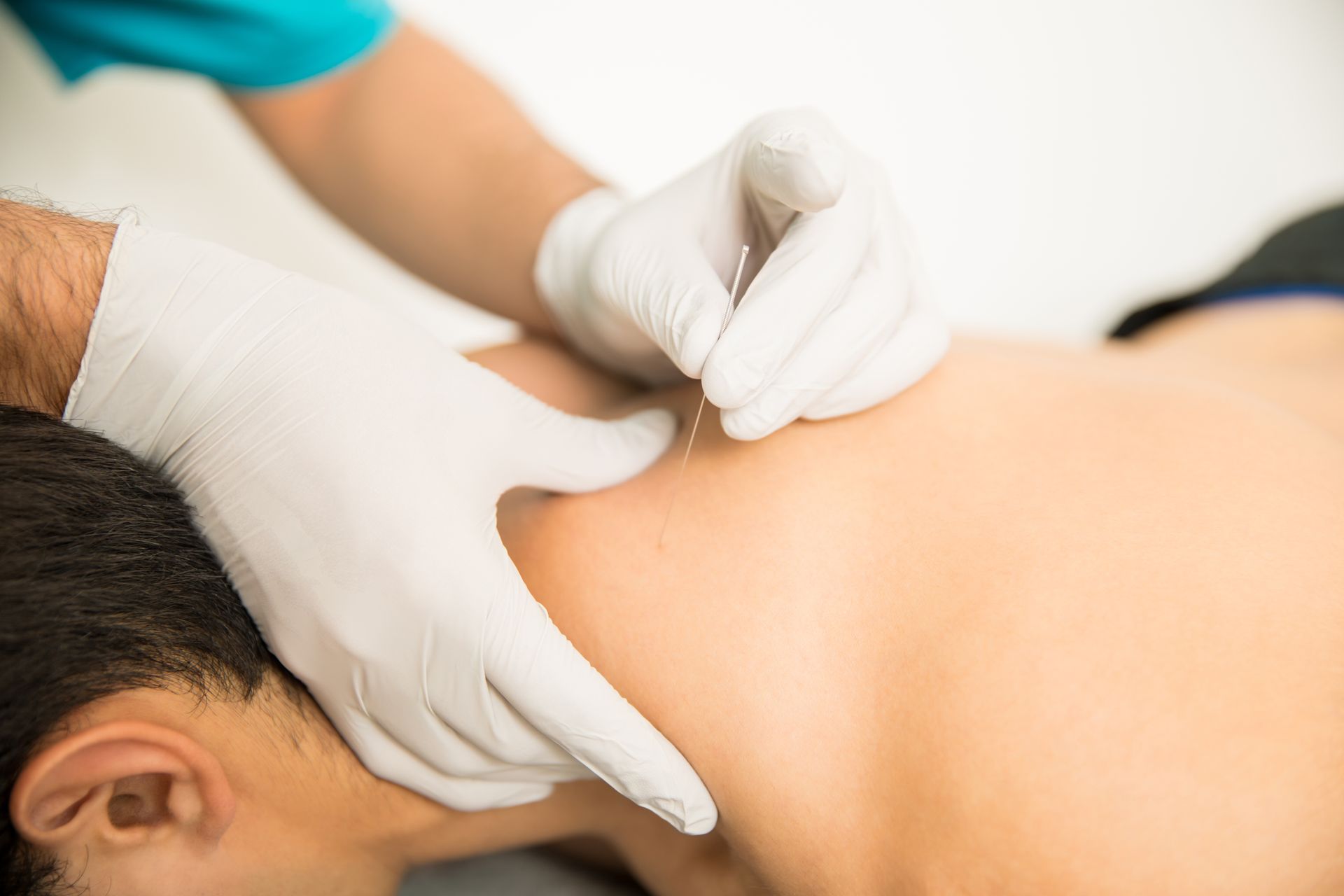
Gloved hands giving a shoulder massage to a person lying face down
By The MVMT Clinic St.Thomas September 16, 2026
Wondering how fast acupuncture works for nerve pain or tendonitis? Get a realistic look at treatment timelines from our clinical acupuncture team.
By The MVMT Clinic St.Thomas September 2, 2026
Chronic muscle tension often sends professionals searching for immediate relief through manual therapy . When evaluating your options at The MVMT Clinic St.Thomas , you might notice different clinical terms that sound similar but serve entirely different physiological functions. Many patients assume that pressing harder is the only way to release stubborn knots acquired after long hours at the desk. Choosing the right intervention requires understanding how your muscular and fascial systems actually respond to pressure. Booking the wrong type of session can leave you feeling bruised without actually resolving the underlying mechanical restriction. If your pain stems from the connective tissue rather than the muscle belly itself, a standard deep tissue approach might miss the root cause completely. Finding effective myofascial release massage St. Thomas residents can rely on starts with knowing what to look for before you even step into the clinic. Taking a moment to understand the clinical science behind these treatments ensures your next appointment yields lasting physical relief. In This Article: Understanding the Physiological Targets Is myofascial release better than deep tissue massage for chronic pain? Identifying Red Flags in Provider Assessment Sourcing Myofascial Release Massage St. Thomas Residents Trust Crucial Questions to Ask Before Your Appointment Understanding the Physiological Targets Deep tissue methods and myofascial work target distinct layers of your anatomy using very different mechanical approaches. Deep tissue focuses on the muscle belly and tendons by applying firm, continuous pressure to break up physical adhesions. Myofascial work targets the fascial web, a thin layer of connective tissue that wraps around every muscle and organ in your body. When this fascia becomes dehydrated or bound down, it acts like a tight sweater pulling on your skeletal structure. • Pressure Application: Deep tissue uses heavier downward force while fascial work utilizes sustained, stretching pressure often applied without lotions or oils. • Tissue Response: Muscles respond well to rhythmic kneading, but fascia requires long static holds to melt and elongate the restricted fibers. • Treatment Pace: Fascial release is notably slower because the connective tissue matrix takes several minutes of continuous clinical load to physically soften. Is myofascial release better than deep tissue massage for chronic pain? The answer depends entirely on the histological source of your discomfort rather than the intensity of the pain. If your chronic pain is caused by postural pulling that restricts your joint mobility, fascial work is often superior because it addresses the structural tension across the entire kinetic chain. However, if your pain stems from localized muscle spasms or microtears within a specific muscle group, deep tissue techniques are more appropriate. Our massage therapy services often blend both methods after a thorough assessment determines exactly which tissue layer is generating your symptoms. Identifying Red Flags in Provider Assessment Not all manual therapy is created equal, and knowing what indicates a high quality clinical environment is crucial for your safety and results. A proper therapeutic intervention always begins with clinical reasoning rather than a generic routine. Watching for these warning signs helps you avoid treatments that overpromise and underdeliver. • Skipped Assessments: A practitioner who begins treatment without testing your range of motion or asking about nerve symptoms is missing critical diagnostic steps. • Pain Chasing: Providers who simply rub exactly where it hurts without evaluating adjacent joints often fail to address the true biomechanical driver of the issue. • Excessive Force: A mindset that pain equals progress is outdated and can actively trigger a nervous system guard response that worsens your tightness. Sourcing Myofascial Release Massage St. Thomas Residents Trust Finding a provider who understands the nuances of connective tissue requires looking beyond basic credentials. You want a clinician who actively pursues continuing education in fascial lines and biomechanics. At our clinic, our practitioners take the time to map out your specific movement restrictions before applying any physical pressure. • Specialized Training: Look for professionals who explicitly list myofascial release as a core competency rather than just an add on service. • Outcome Focus: A reliable therapist will explain exactly what physical changes they expect to achieve by the end of the session. • Patient Education: The best practitioners teach you how to maintain your fascial mobility at home through specific stretching protocols. Crucial Questions to Ask Before Your Appointment Taking an active role in your healthcare means asking direct questions before you commit your time and resources. Whether you are recovering from a weekend sports injury or managing tension from a desk job in Elgin County, your provider should welcome clinical inquiries. Use these questions to gauge their expertise and treatment philosophy. • Diagnostic Process: Ask how they determine whether a restriction is muscular, fascial, or joint related before they begin the hands on work. • Treatment Integration: Inquire if they coordinate care with other disciplines like physiotherapy to ensure a well rounded recovery plan. • Expected Timelines: Request a realistic estimate of how many sessions it should take to notice a structural change in your daily mobility. Making an Informed Choice for Your Body Knowing exactly what tissue is causing your pain allows you to stop guessing and start treating the actual problem. Your time is valuable, and your rehabilitation should be targeted, safe, and backed by clinical understanding. When you are ready to address the true source of your tension, our team is prepared to evaluate your mechanics. Contact our office to schedule a detailed assessment and receive a treatment plan tailored specifically to your connective tissue needs.
Woman in a pink top tasting salad in a bright kitchen, holding a bowl of greens.
By The MVMT Clinic St.Thomas August 19, 2026
Struggling with chronic joint stiffness? Our clinical dietitians outline five overlooked dietary triggers that may be worsening your inflammatory response.
Physical therapist supporting a patient’s leg on a treatment table in a clinic room
By The MVMT Clinic St.Thomas August 5, 2026
Experiencing sharp leg pain after long hours at the desk? Learn how St. Thomas physiotherapists differentiate and treat sciatica vs piriformis syndrome.
A medical professional examines a patient's shoulder in a clinic; the patient is seated on an examination table.
By The MVMT Clinic St.Thomas April 23, 2026
Discover how local athletes benefit from targeted physiotherapy at The MVMT Clinic St. Thomas to enhance recovery and performance.
Person receiving neck massage. Therapist's hands support head, patient eyes closed, white setting.
By The MVMT Clinic St.Thomas April 23, 2026
Explore how regular massage therapy at The MVMT Clinic St. Thomas can reduce stress, improve sleep, and support your holistic wellness this spring.
Man receiving facial acupuncture; needles in cheek, hands inserting more.
By The MVMT Clinic St.Thomas March 17, 2026
Ease seasonal allergy symptoms naturally. Learn how neurofunctional acupuncture at The MVMT Clinic brings springtime relief and better breathing.
Two people with fruits and pie chart discussing nutrition plan at a table.
By The MVMT Clinic St.Thomas March 4, 2026
Celebrate Nutrition Month with our non-diet, evidence-based tips. Manage diabetes, heart health, and IBS with sustainable meals. The MVMT Clinic St. Thomas can help.
Hands of one person on the back of another, who lies face down. Indoor setting.
By The MVMT Clinic St.Thomas February 17, 2026
Discover how chiropractic care at The MVMT Clinic helps boost mobility and wellness this spring. Book your personalized session today!
Therapist assisting a person with resistance band exercise in a gym. Both smiling.
By The MVMT Clinic St.Thomas February 4, 2026
Recover stronger this spring. Check out our expert rehabilitation exercises to heal common winter injuries and regain your mobility.