The Role of Rehabilitation Exercises in Recovery: What Patients Need to Know

December 4, 2024

The Role of Rehabilitation Exercises in Recovery: What Patients Need to Know


Rehabilitation exercises are a cornerstone of recovery for individuals who have experienced injuries, surgeries, or chronic pain. While the road to recovery can be challenging, understanding the role of rehabilitation exercises can significantly impact your journey towards regaining mobility, strength, and overall health. At The MVMT Clinic St. Thomas, we are dedicated to providing personalized rehabilitation programs that cater to your unique needs. This blog aims to shed light on the immense benefits and critical aspects of rehabilitation exercises in the recovery process.


Understanding Rehabilitation Exercises


Rehabilitation exercises are a series of physical activities designed to restore function and decrease pain following an injury or surgery. These exercises are not one-size-fits-all; they are meticulously tailored to address individual patient needs, incorporating the type of injury, the patient’s physical condition, and their personal health goals. By focusing on specific muscle groups and movements, rehabilitation exercises help patients regain strength and mobility, minimize the risk of future injuries, and enhance overall well-being.


The Benefits of Rehabilitation Exercises


1. Pain Reduction: One of the primary benefits of rehabilitation exercises is pain management. Targeted exercises can alleviate discomfort by strengthening muscles, improving flexibility, and enhancing blood flow to the affected areas. This natural pain relief can reduce the dependence on medications and provide a long-term solution to pain management.


2. Improved Mobility: Rehabilitation exercises are crucial in restoring mobility and range of motion. By consistently engaging in these exercises, patients can progressively improve their ability to perform daily activities and regain their independence.


3. Strength Building: Post-injury or post-surgery, muscle atrophy and weakness are common concerns. Rehabilitation exercises are designed to rebuild muscle strength, enhance endurance, and support overall physical function. This is especially important for athletes or individuals with physically demanding lifestyles.


4. Preventing Recurrence: Engaging in rehabilitation exercises not only aids in immediate recovery but also plays a vital role in preventing future injuries. By addressing underlying weaknesses and imbalances, these exercises contribute to long-term physical health and reduce the likelihood of recurrence.


5. Mental Well-being: Physical recovery is closely linked to mental health. The structure and routine of rehabilitation exercises can boost mental well-being by providing a sense of progress and accomplishment. Additionally, physical activity releases endorphins, which naturally enhance mood and reduce stress.


Types of Rehabilitation Exercises


Rehabilitation exercises can be broadly categorized into several types, each targeting different aspects of recovery. At The MVMT Clinic St. Thomas, our team of experienced professionals employs a variety of techniques to ensure comprehensive rehabilitation.


1. Range of Motion Exercises: These exercises focus on improving mobility in the joints and surrounding muscles. Techniques such as stretching and controlled movements help restore normal function and alleviate stiffness.


2. Strengthening Exercises: Targeted at rebuilding muscle strength, these exercises often involve resistance training using weights, resistance bands, or body weight. They are essential for reinforcing the muscles that support injured or weakened areas.


3. Balance and Coordination Exercises: To prevent falls and enhance overall stability, balance and coordination exercises are incorporated. These activities are particularly beneficial for older adults or individuals recovering from lower limb injuries.


4. Functional Exercises: Aimed at simulating everyday activities, functional exercises help patients regain the ability to perform specific tasks. This includes exercises that mimic movements like walking, lifting, or climbing stairs.


The Personalized Approach at The MVMT Clinic St. Thomas


At The MVMT Clinic St. Thomas, we understand that every patient’s journey to recovery is unique. Our team of dedicated professionals takes a personalized approach to rehabilitation exercises, designing programs that align with your specific needs and health goals. We emphasize patient education, ensuring that you are well-informed and actively involved in your recovery process.


Rehabilitation exercises are a vital component of your recovery journey. At The MVMT Clinic St. Thomas, we are committed to helping you regain your strength, mobility, and confidence through expert-guided rehabilitation programs. Schedule an appointment with us today and take the first proactive step towards a healthier, more active lifestyle. Experience the difference of personalized care and embark on your path to recovery with The MVMT Clinic St. Thomas. Your journey to better health starts here.

Share This Blog
Gloved hands giving a shoulder massage to a person lying face down
By The MVMT Clinic St.Thomas • September 16, 2026
Wondering how fast acupuncture works for nerve pain or tendonitis? Get a realistic look at treatment timelines from our clinical acupuncture team.
By The MVMT Clinic St.Thomas • September 2, 2026
Chronic muscle tension often sends professionals searching for immediate relief through manual therapy . When evaluating your options at The MVMT Clinic St.Thomas , you might notice different clinical terms that sound similar but serve entirely different physiological functions. Many patients assume that pressing harder is the only way to release stubborn knots acquired after long hours at the desk. Choosing the right intervention requires understanding how your muscular and fascial systems actually respond to pressure. Booking the wrong type of session can leave you feeling bruised without actually resolving the underlying mechanical restriction. If your pain stems from the connective tissue rather than the muscle belly itself, a standard deep tissue approach might miss the root cause completely. Finding effective myofascial release massage St. Thomas residents can rely on starts with knowing what to look for before you even step into the clinic. Taking a moment to understand the clinical science behind these treatments ensures your next appointment yields lasting physical relief. In This Article: Understanding the Physiological Targets Is myofascial release better than deep tissue massage for chronic pain? Identifying Red Flags in Provider Assessment Sourcing Myofascial Release Massage St. Thomas Residents Trust Crucial Questions to Ask Before Your Appointment Understanding the Physiological Targets Deep tissue methods and myofascial work target distinct layers of your anatomy using very different mechanical approaches. Deep tissue focuses on the muscle belly and tendons by applying firm, continuous pressure to break up physical adhesions. Myofascial work targets the fascial web, a thin layer of connective tissue that wraps around every muscle and organ in your body. When this fascia becomes dehydrated or bound down, it acts like a tight sweater pulling on your skeletal structure. • Pressure Application: Deep tissue uses heavier downward force while fascial work utilizes sustained, stretching pressure often applied without lotions or oils. • Tissue Response: Muscles respond well to rhythmic kneading, but fascia requires long static holds to melt and elongate the restricted fibers. • Treatment Pace: Fascial release is notably slower because the connective tissue matrix takes several minutes of continuous clinical load to physically soften. Is myofascial release better than deep tissue massage for chronic pain? The answer depends entirely on the histological source of your discomfort rather than the intensity of the pain. If your chronic pain is caused by postural pulling that restricts your joint mobility, fascial work is often superior because it addresses the structural tension across the entire kinetic chain. However, if your pain stems from localized muscle spasms or microtears within a specific muscle group, deep tissue techniques are more appropriate. Our massage therapy services often blend both methods after a thorough assessment determines exactly which tissue layer is generating your symptoms. Identifying Red Flags in Provider Assessment Not all manual therapy is created equal, and knowing what indicates a high quality clinical environment is crucial for your safety and results. A proper therapeutic intervention always begins with clinical reasoning rather than a generic routine. Watching for these warning signs helps you avoid treatments that overpromise and underdeliver. • Skipped Assessments: A practitioner who begins treatment without testing your range of motion or asking about nerve symptoms is missing critical diagnostic steps. • Pain Chasing: Providers who simply rub exactly where it hurts without evaluating adjacent joints often fail to address the true biomechanical driver of the issue. • Excessive Force: A mindset that pain equals progress is outdated and can actively trigger a nervous system guard response that worsens your tightness. Sourcing Myofascial Release Massage St. Thomas Residents Trust Finding a provider who understands the nuances of connective tissue requires looking beyond basic credentials. You want a clinician who actively pursues continuing education in fascial lines and biomechanics. At our clinic, our practitioners take the time to map out your specific movement restrictions before applying any physical pressure. • Specialized Training: Look for professionals who explicitly list myofascial release as a core competency rather than just an add on service. • Outcome Focus: A reliable therapist will explain exactly what physical changes they expect to achieve by the end of the session. • Patient Education: The best practitioners teach you how to maintain your fascial mobility at home through specific stretching protocols. Crucial Questions to Ask Before Your Appointment Taking an active role in your healthcare means asking direct questions before you commit your time and resources. Whether you are recovering from a weekend sports injury or managing tension from a desk job in Elgin County, your provider should welcome clinical inquiries. Use these questions to gauge their expertise and treatment philosophy. • Diagnostic Process: Ask how they determine whether a restriction is muscular, fascial, or joint related before they begin the hands on work. • Treatment Integration: Inquire if they coordinate care with other disciplines like physiotherapy to ensure a well rounded recovery plan. • Expected Timelines: Request a realistic estimate of how many sessions it should take to notice a structural change in your daily mobility. Making an Informed Choice for Your Body Knowing exactly what tissue is causing your pain allows you to stop guessing and start treating the actual problem. Your time is valuable, and your rehabilitation should be targeted, safe, and backed by clinical understanding. When you are ready to address the true source of your tension, our team is prepared to evaluate your mechanics. Contact our office to schedule a detailed assessment and receive a treatment plan tailored specifically to your connective tissue needs.
Woman in a pink top tasting salad in a bright kitchen, holding a bowl of greens.
By The MVMT Clinic St.Thomas • August 19, 2026
Struggling with chronic joint stiffness? Our clinical dietitians outline five overlooked dietary triggers that may be worsening your inflammatory response.
Physical therapist supporting a patient’s leg on a treatment table in a clinic room
By The MVMT Clinic St.Thomas • August 5, 2026
Experiencing sharp leg pain after long hours at the desk? Learn how St. Thomas physiotherapists differentiate and treat sciatica vs piriformis syndrome.
A medical professional examines a patient's shoulder in a clinic; the patient is seated on an examination table.
By The MVMT Clinic St.Thomas • April 23, 2026
Discover how local athletes benefit from targeted physiotherapy at The MVMT Clinic St. Thomas to enhance recovery and performance.
Person receiving neck massage. Therapist's hands support head, patient eyes closed, white setting.
By The MVMT Clinic St.Thomas • April 23, 2026
Explore how regular massage therapy at The MVMT Clinic St. Thomas can reduce stress, improve sleep, and support your holistic wellness this spring.
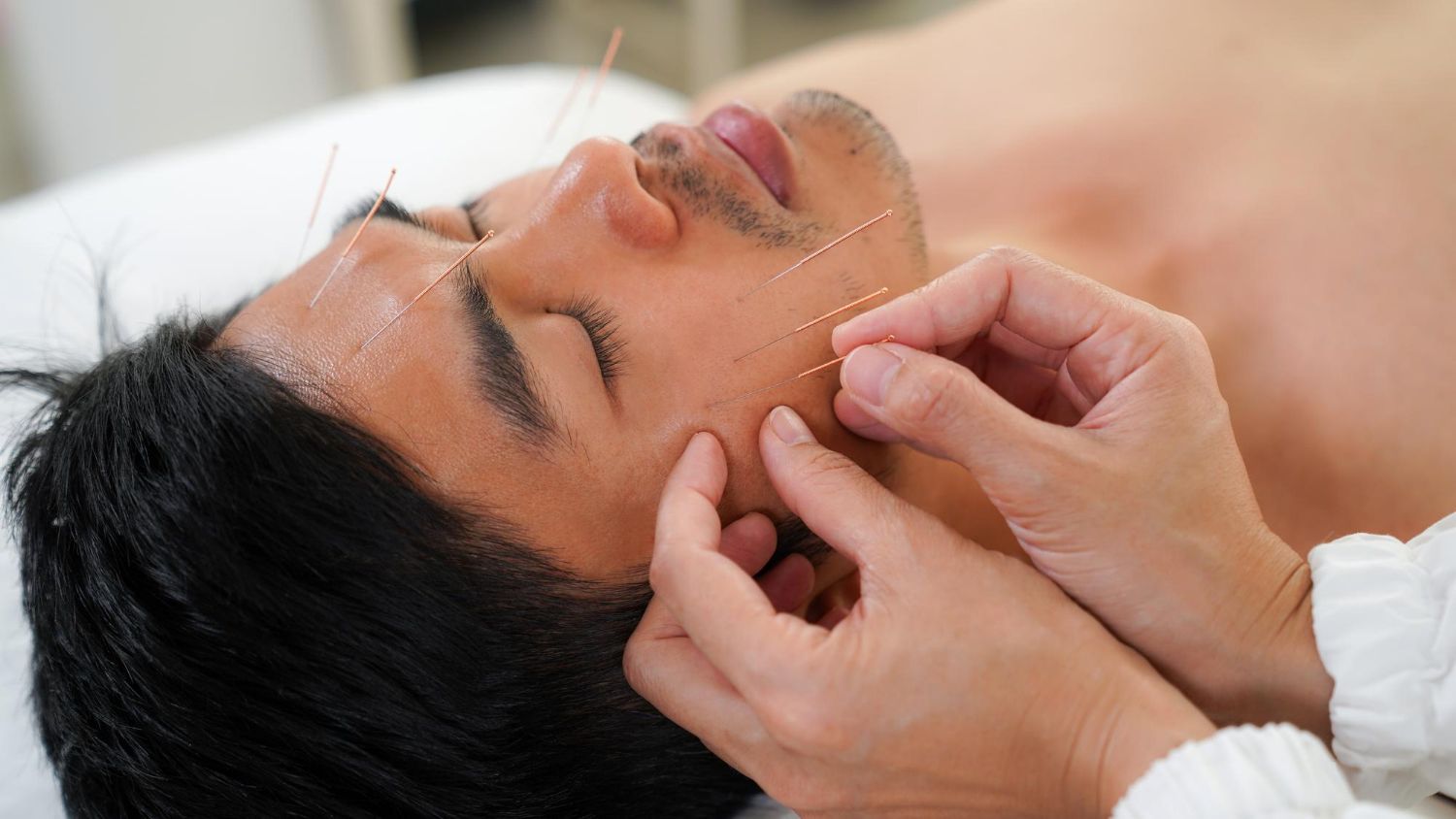
Man receiving facial acupuncture; needles in cheek, hands inserting more.
By The MVMT Clinic St.Thomas • March 17, 2026
Ease seasonal allergy symptoms naturally. Learn how neurofunctional acupuncture at The MVMT Clinic brings springtime relief and better breathing.
Two people with fruits and pie chart discussing nutrition plan at a table.
By The MVMT Clinic St.Thomas • March 4, 2026
Celebrate Nutrition Month with our non-diet, evidence-based tips. Manage diabetes, heart health, and IBS with sustainable meals. The MVMT Clinic St. Thomas can help.
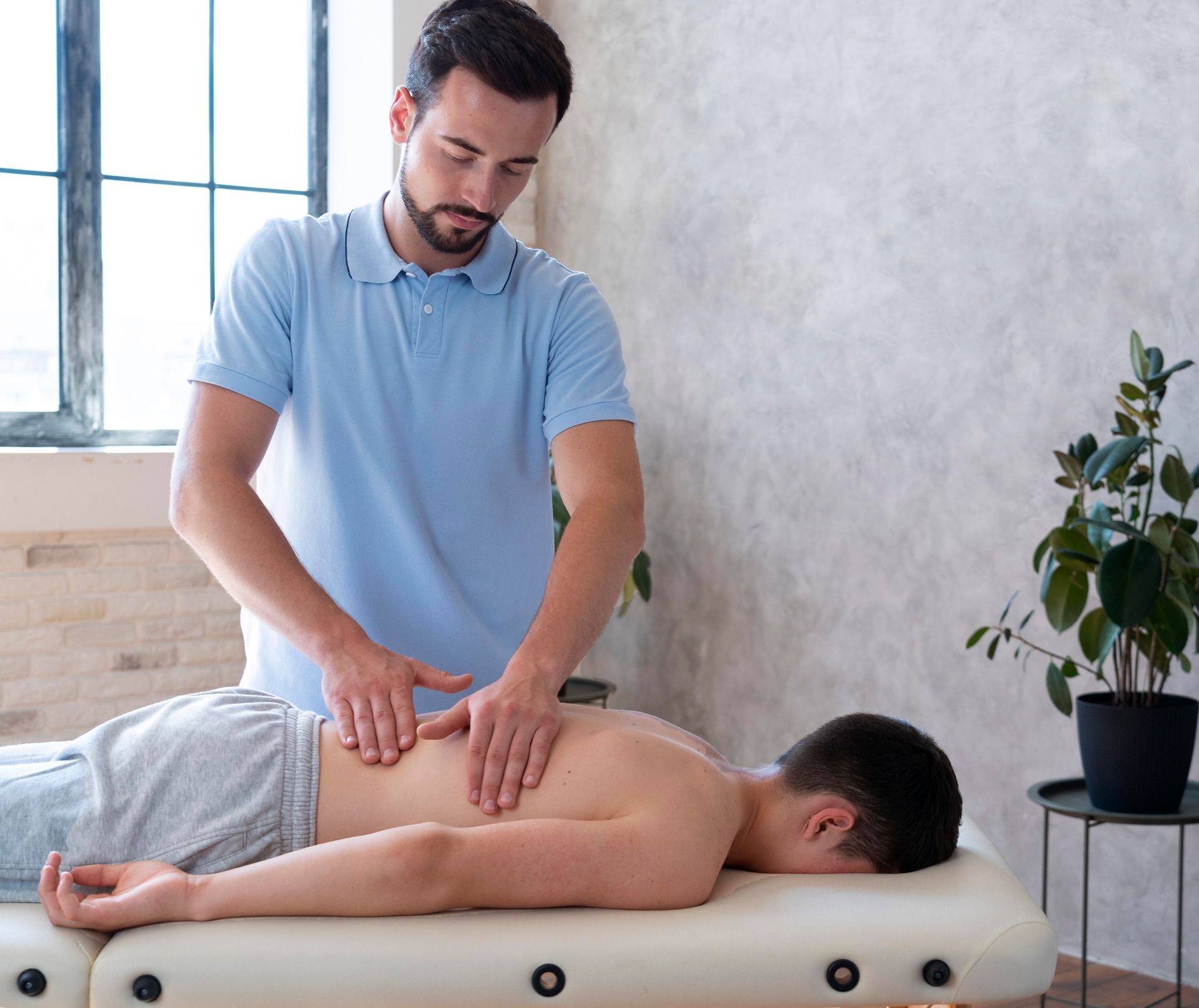
Hands of one person on the back of another, who lies face down. Indoor setting.
By The MVMT Clinic St.Thomas • February 17, 2026
Discover how chiropractic care at The MVMT Clinic helps boost mobility and wellness this spring. Book your personalized session today!
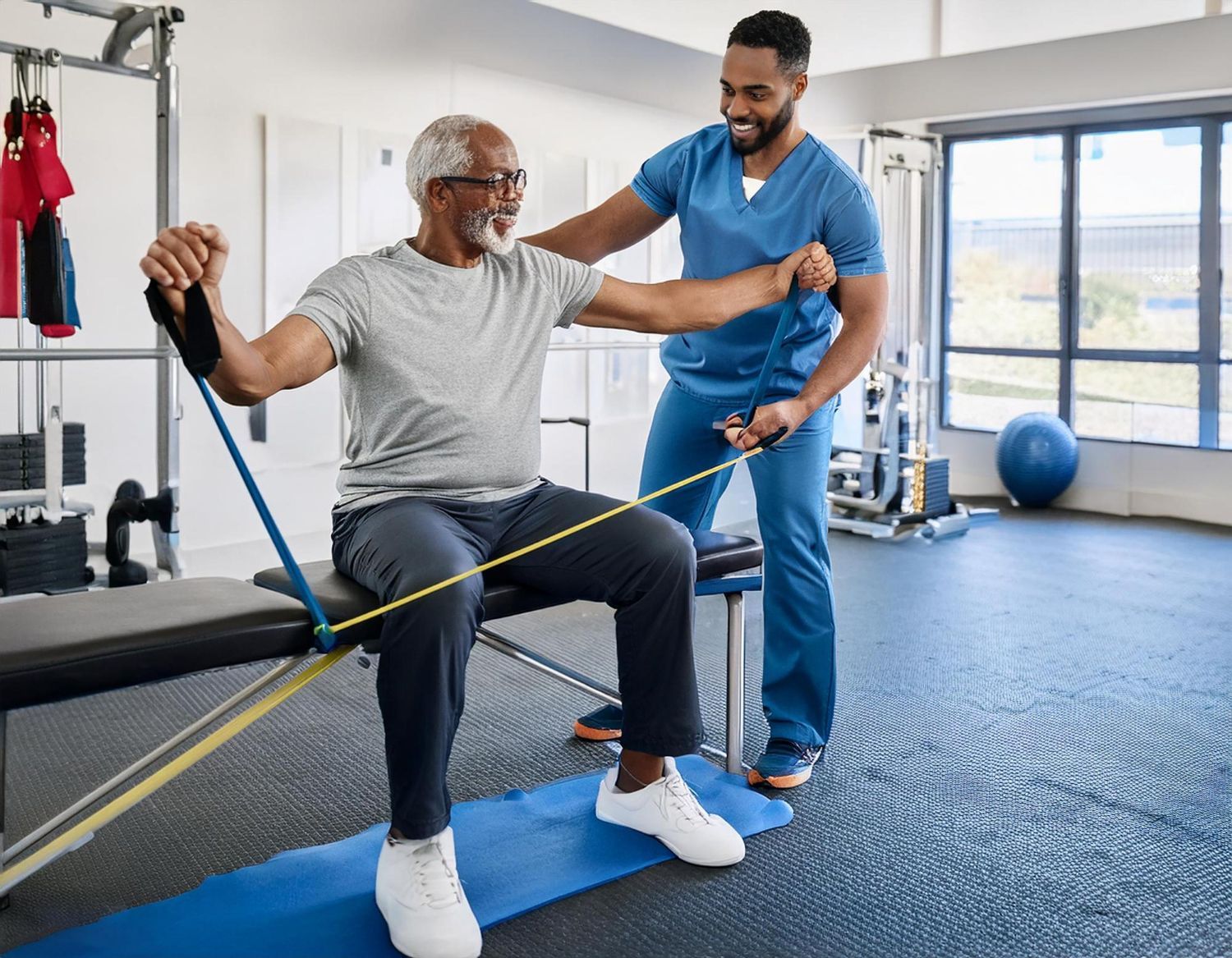
Therapist assisting a person with resistance band exercise in a gym. Both smiling.
By The MVMT Clinic St.Thomas • February 4, 2026
Recover stronger this spring. Check out our expert rehabilitation exercises to heal common winter injuries and regain your mobility.